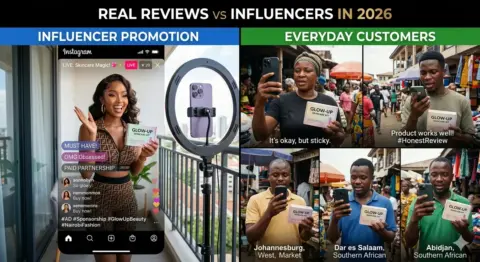


In Nigeria, word of mouth has always ruled how people pick shops or services. Now, online spots like social media and Google have taken over that role. A single bad review can chase customers away, while glowing ones pull them in like magnets.
Business owners in Lagos or Abuja know this shift well. Positive online feedback serves as proof that your place delivers. This guide covers the full picture: from spotting key review sites in Nigeria to turning feedback into real growth. You’ll learn how to gather honest feedback, handle tough comments, and boost your local search visibility.

Understanding the Nigerian Review Ecosystem
Nigeria’s online review world mixes global giants with local flavors. People share thoughts on everything from jollof rice spots to bank apps. Grasping this setup helps you stand out.
The Dominant Platforms for Nigerian Businesses
Google Business Profile tops the list for most Nigerian firms. It shows up in maps searches for nearby services, like finding a tailor in Enugu. Jiji and Jumia, big e-commerce sites, let buyers rate sellers directly, especially for goods like phones or clothes.
Facebook Recommendations shine in smaller towns. Users post quick likes or tips in groups for local mechanics or hair salons. In the north, like Kano, WhatsApp shares often lead to informal reviews, but they feed into formal platforms over time.
Usage changes by area. Urban youth in Port Harcourt lean on Instagram stories for cafe ratings. Older folks in rural Ogun might stick to Google for trusted hotel picks.
The Impact of Online Ratings on Purchasing Decisions
Star ratings sway choices fast in Nigeria. A spot with 4.5 stars gets more clicks than one with 3 stars, even if the prices are the same. Surveys show about 80% of Nigerians check reviews before buying, up from 60% five years ago.
Think of it like picking a danfo driver—everyone wants the one with good buzz. For fintech apps like Opay, high scores build trust in a market wary of scams. Services like ride-hailing see volume matter, too; 20+ reviews signal reliability more than a perfect score.
Social proof works wonders here. A hotel in Calabar with guest photos in reviews books faster during festivals. It turns strangers into fans overnight.
Legal and Ethical Considerations for Review Management in Nigeria
The Consumer Protection Council watches out for fake hype. They are fine businesses caught buying stars or hiding bad feedback. Stick to real stories to avoid trouble.
Keep things open by asking all customers, not just happy ones. This builds true trust. In Nigeria, where scams hurt reputations quickly, honest practices pay off in the long term.
Best steps include noting review dates and sources. Train staff to spot fakes, like sudden bursts of five stars. Always respond real, not scripted.
Strategies for Proactively Generating Quality Business Reviews
Getting reviews shouldn’t feel like pulling teeth. Smart moves weave requests into the daily flow. Start small, and watch feedback roll in.
Integrating Review Requests into the Customer Journey
Time your ask right after a win. Send an SMS two days post-delivery: “Hey, loved your buy? Share your thoughts!” It catches them while the memory’s fresh.
Make it easy with one-click links. No long forms—just tap to rate on Google. For email, use tools like simple automation apps to nudge without spam.

For Nigerian businesses, Credibio streamlines this entire process. Built specifically for West African markets, Credibio lets you collect reviews via SMS, WhatsApp, and mobile web—the channels your Nigerian customers already use daily. After a purchase, send an automated message that links directly to your review page. The platform guides customers through verified feedback workflows that prevent fakes while encouraging honest, detailed input. You manage everything from one dashboard, with automated alerts so you never miss a review.
In Nigeria’s busy life, quick wins matter. A restaurant in Ibadan saw its reviews double by texting links right after meals.
Incentivizing Genuine Feedback Without Violating Policy
Offer small perks that don’t tie to the review’s tone. Run a monthly raffle for airtime vouchers for everyone who shares their thoughts. It encourages input without pressure.
Future discounts work too, like 10% off next visit for posting. Just say it’s for everyone who reviews, good or bad. This keeps it fair under CPC rules.
Local SMEs succeed with this. An Abuja boutique ran draws and gained 50 honest ratings in a month. Focus on value, not manipulation.
Utilizing In-Person Touchpoints for Digital Reviews
QR codes at counters change the game. Print one linking straight to your Google page near the till. Customers scan and rate while waiting for change.
Train your team to ask nicely. “If you enjoyed the service, mind leaving a quick review?” Say it with a smile to happy faces only.
In markets like Oshodi, this boosts digital footprints fast. A food vendor there received 30 new reviews per week from scans alone.
Mastering Review Management and Response Protocols
Reviews aren’t set-it-and-forget-it. Quick, smart replies turn them into gold. Handle them like chats with friends—real and warm.
Developing a Standardized Response Framework
Keep a simple template: greet, thank, highlight, invite more. This saves time but feels custom.
- Greet the reviewer.
- Echo their praise.
- Share a brand nugget.
- End with a callback.
With Credibio’s response center, you can manage replies across all platforms from one place. Track which reviews need answers, respond directly in the dashboard, and never let a customer comment go unanswered. The platform also auto-notifies you of new feedback so you can respond within hours—not days—helping you maintain the fast, personal touch that Nigerian customers value.
Handling Negative Reviews with Professionalism
Stay calm and kind. Start with “Sorry to hear that, Chinedu.” Own any slip-ups, like “We’ll check our delivery team.”
Move chats offline quickly: “DM us your order number for a fix.” This shows you care without airing dirty laundry in public.
Tools like Google Alerts ping you on new posts. In Nigeria’s chatty online scene, speed prevents small issues from snowballing.
Empathy wins hearts. A Lagos bank turned a fee complaint into a loyal customer by resolving it the same day.
Leveraging User-Generated Content (UGC) from Reviews
Pull quotes for your Instagram. With the writer’s okay, screenshot a star review and tag them. It spreads real buzz.
Spot patterns in feedback. If delivery gripes pop up often, tweak your logistics. Use free tools to sort themes by month.
This drives changes. A fintech in Enugu fixed app bugs after reviewing trends, thereby raising its rating from 3.8 to 4.6.
For marketing, share UGC in stories. Marketing review tips from experts can spark ideas, but adapt to local tastes.
Optimizing Reviews for Local SEO in Nigeria
Reviews boost your spot in searches. More stars mean higher ranks in Google Maps for “best barber in Yaba.” Play it right for traffic gains.
Maximizing Your Google Business Profile (GBP) for Local Visibility
Fresh reviews push you up in local packs. Aim for a steady flow—five a week keeps algorithms happy. High ratings in big cities like Lagos beat low ones elsewhere.
Weave local terms in replies. “Happy to serve as your go-to spot for quick fixes in Ikeja.” It matches what folks search.
Update your profile often. Add photos from happy customers to pair with text feedback.
The Role of Platform-Specific SEO Signals
Facebook reviews help if your NAP stays the same everywhere. Consistent info across sites builds trust signals for search engines.
Jumia ratings feed into broader visibility. Good scores there lift your shop’s overall cred.
Directories like VConnect matter in Nigeria. Sync details to avoid confusion that hurts rankings.
Analyzing Review Data for Competitive Intelligence
Peek at rivals’ pages. If a competitor shines on speed, match it in your pitches. Weak spots, like poor service, become your edge.
Track your own metrics. Watch average reply time—under 12 hours is solid. Aim for 70% five-stars monthly.
Tools like spreadsheets work fine. Spot trends, like seasonal dips, and adjust. This turns data into smart moves.
Conclusion: Converting Digital Validation into Business Growth
Business reviews in Nigeria go beyond complaints—they’re tools for trust and sales. From picking platforms to quick replies, each step builds your edge.
Key wins: Ask often, respond fast, and dig into patterns. Make reputation checks part of your routine, like checking stock.
Prioritize this now. In a market where trust drives deals, strong reviews fuel real growth. Start today and watch customers flock.

Ready to unlock review-powered growth in Nigeria? Start with Credibio — a credibility platform built from the ground up for Nigerian and West African businesses. Collect verified reviews via SMS, WhatsApp, and mobile web, respond to all feedback in one dashboard, earn trust badges to display on your website and marketplace listings, and use actionable analytics to track reputation trends and improve your business. Get started for free at www.credibio.com